
While the exact origins of the very first video game are often debated, the industry as we know it truly began in 1972. That was the year the Magnavox Odyssey hit the shelves, becoming the first system sold commercially to the public. Its creator, Ralph Baer, had spent over two decades trying to figure out how to make use of a television screen for something other than passive viewing, eventually earning him the title "Father of Video Games."
For a long time, enjoying these pieces of history meant hoarding old plastic cartridges, fighting with RF cables, or tracking down elusive consoles at boot sales. Today, that barrier to entry has completely collapsed.
The modern web browser has effectively become a universal console. Whether you want to revisit the 8-bit era or play more modern titles, you can now access a massive library of entertainment instantly. There is no need for expensive hardware or complex installs; you just need a stable connection and a few minutes to spare.
The Game Boy remains one of the most successful systems in history, shifting roughly 119 million units during its lifespan. It was the device that proved video games didn't need to be tethered to a television set.
Because the original hardware was relatively low-powered, these games are exceptionally easy to run in modern browsers. They load instantly and rarely suffer from the lag issues that can plague more complex 3D emulation.
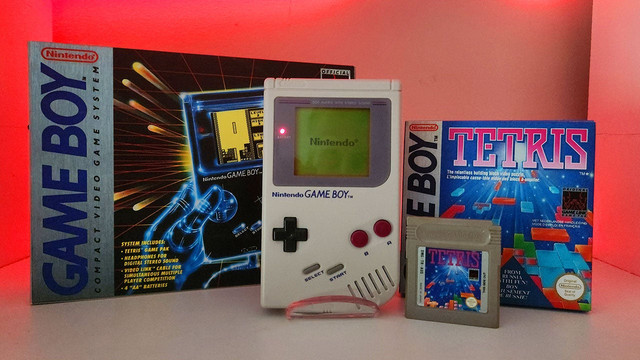
Tetris existed before Nintendo got their hands on it, but bundling it with the Game Boy was a stroke of genius. It turned a piece of hardware into a global necessity.
It remains the perfect browser game today. The premise is simple enough that you can jump in for five minutes during a lunch break, clear a few lines, and close the tab without worrying about losing a complex narrative thread. It is a timeless design that works just as well on a keyboard as it did on a D-pad.
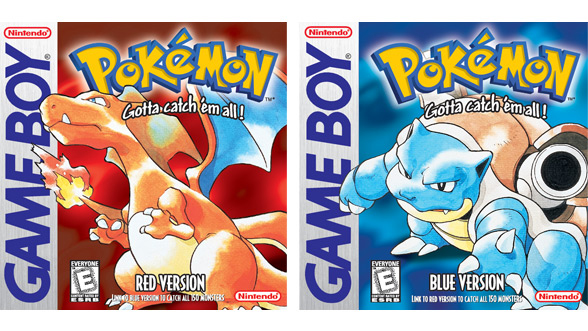
This was the franchise that defined a generation. Divided into Red and Blue versions (or Red and Green if you were in Japan), it tasked players with collecting, trading, and battling monsters.
Playing these online today actually offers a distinct advantage over the original cartridges: reliability. The old cartridges relied on an internal battery to save your progress, and when that battery died, your save file vanished with it. Browser-based emulators use local storage or cloud saves, meaning your 50-hour journey to the Elite Four is much safer now than it was in 1998.
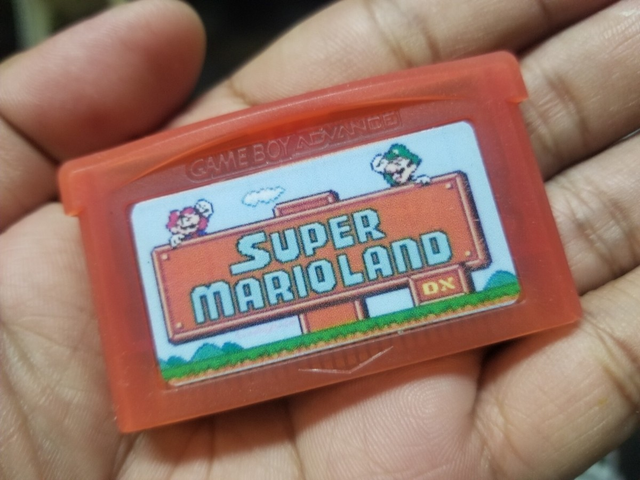
Mario was already an icon by the time the Game Boy launched, but Super Mario Land was his first proper portable outing. It stripped back the visuals to work on the monochrome green screen, but the tight platforming remained intact.
It is a short, sharp adventure that feels distinct from the home console versions. The physics are slightly different, as Mario feels a bit heavier here, but it remains a platforming masterclass that is well worth revisiting.
With around 62 million units sold, the Nintendo Entertainment System (or Famicom in Japan) shaped the childhood of an entire generation. It effectively revived the home console market after the crash of 1983. Here is a closer look at some of these classics that run perfectly in a browser window.
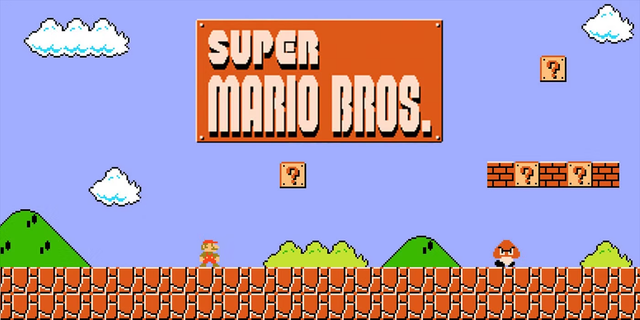
Discussing the NES without mentioning Super Mario Bros is essentially impossible. This was the title that codified the platforming genre. It taught players how to run, jump, and explore through level design rather than tutorials.
In total, the series has shifted hundreds of millions of copies, but the original remains a benchmark for precision controls. Because it relies on just two buttons and a directional pad, it translates seamlessly to keyboard controls, making it one of the most accessible retro games to play online.

While Mario was about moving from left to right, The Legend of Zelda introduced the concept of non-linear exploration. It dropped players into a hostile fantasy world with no instructions and a simple wooden sword, trusting them to figure it out.
It is a dense, difficult game filled with hidden secrets. Playing this on a browser emulator is often a better experience than the original hardware because of "save states." In the 80s, dying often meant losing significant progress; today, you can save your game instantly before attempting a difficult dungeon room.
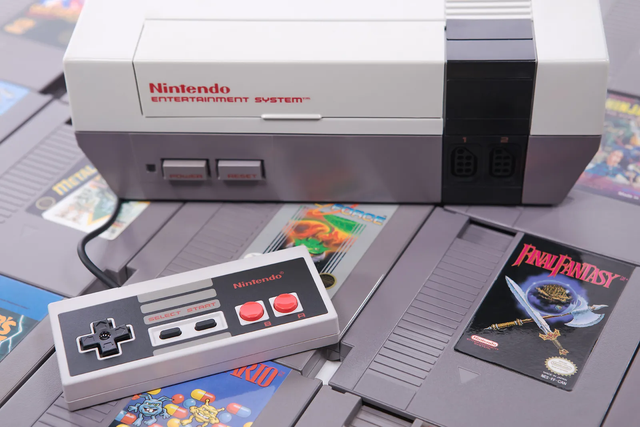
As the first console to use CDs as its primary media format, the PlayStation 1 changed the scope of what games could be. It became the second best-selling console of the 20th century, shifting over 102 million units.<
For a long time, emulating the PS1 in a browser was impossible due to the large file sizes of the games. However, modern internet speeds and processing power mean you can now stream these 700MB titles almost as quickly as a cartridge game.
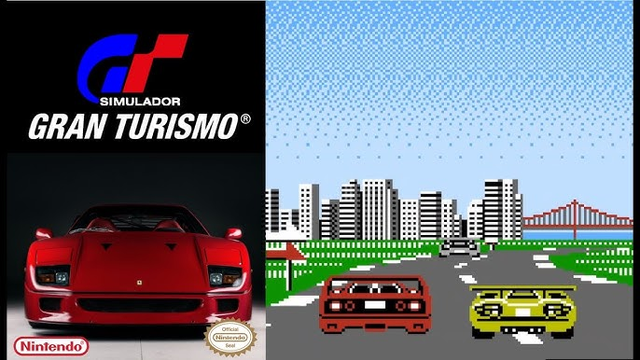
Launching in 1997, Gran Turismo aimed to be a driving simulator rather than just an arcade racer. The developers pushed the hardware to its absolute limit to replicate realistic physics and car handling.
It is arguably the most iconic racing series in gaming history. Playing it in a browser is genuinely impressive; what once required a dedicated console and a memory card now runs smoothly in a tab, handling the 3D rendering without dropping frames.
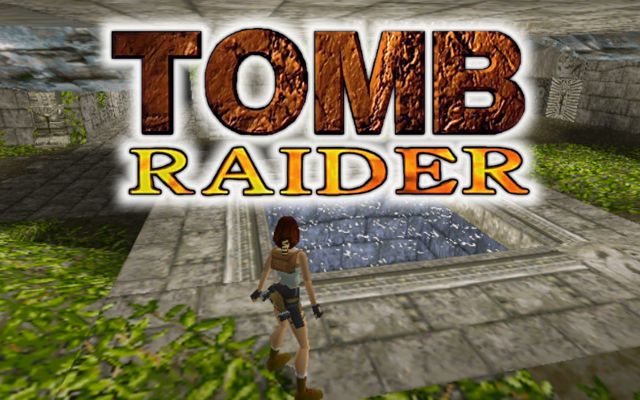
It is difficult to find a pop culture fan who doesn't know Lara Croft. While she eventually became a movie star, with the first film hitting cinemas in 2001, she started life as a polygon model on the PlayStation.
The original Tomb Raider was a breakthrough for 3D action-adventure games. It required precise jumping and puzzle-solving in a fully 3D space. Revisiting it online highlights just how precise those "tank controls" were, offering a challenging history lesson in how 3D movement used to work.
Before the industry shifted entirely to mobile apps, the web browser was the primary home for indie creativity. Sites like Miniclip, Newgrounds, and Armor Games hosted thousands of titles that defined the "lunchtime gaming" culture.
This era was dominated by Adobe Flash, a platform that allowed for wild experimentation. It gave us everything from simple stick-figure fighting games to complex tower defence titles that have since been ported to consoles. While Flash has since been retired due to security issues, projects like Flashpoint are actively preserving these libraries so they aren't lost to history.
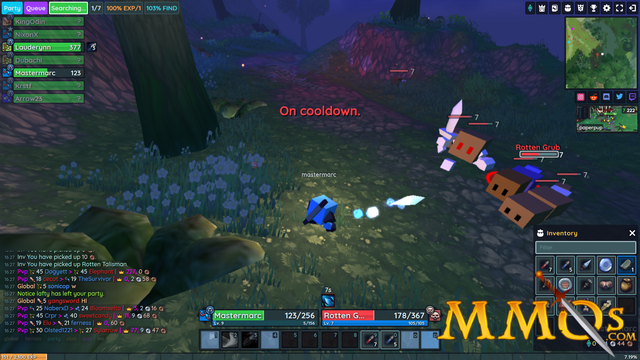
It wasn't just small arcade titles, either. The browser also proved it could handle massive multiplayer worlds. RuneScape is the prime example here; launched in 2001, it allowed players to explore a fully 3D fantasy world, trade with others, and fight monsters, all within a Java applet. It proved that you didn't need a high-end PC or a disc installation to engage in a complex, persistent online community.
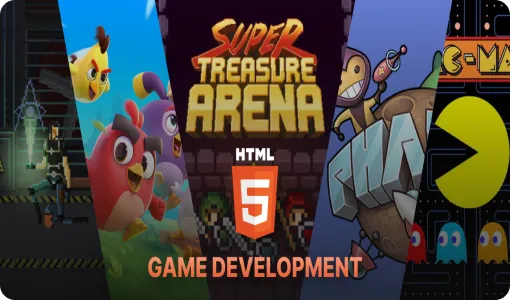
Today, the torch has been passed to HTML5. This technology is lighter, faster, and far more secure than the plugins of the past, allowing for high-fidelity gaming that works seamlessly across desktops and mobiles.
This tech is the backbone of the modern "instant play" ecosystem. It is what powers complex .io strategy games and is the engine behind the secure, live-rendered environments found at online casinos like NetBet. Whether you are playing a massive multiplayer strategy game or loading up a slot, the technology ensures the experience is responsive and visually sharp without requiring a heavy software client.
The evolution of browser gaming means the barrier to entry has never been lower. Whether you want to master the difficult platforming of the NES era, dive into a retro MMO, or enjoy a quick round of a modern title, it is all accessible instantly.
You no longer need to dust off old hardware or clear space on your hard drive. The history of gaming is now just a click away, waiting for you to hit start.